Study in Germany 2025–2026: Complete Guide for International Students
A blueprint for success, no tuition debt required.
In a world reeling from economic uncertainty, tightening visa rules, and rising tuition fees, Germany has quietly emerged as the quiet champion for international students, especially those from India. No gimmicks, no broken promises. Just world-class education, zero tuition fees (yes, really), and a job market hungry for talent.
But studying in Germany isn’t just about landing an admit. It’s about building a future.
In this blog, I’ll break down why Germany is winning hearts and applications, and how to make your profile irresistible to top German universities.
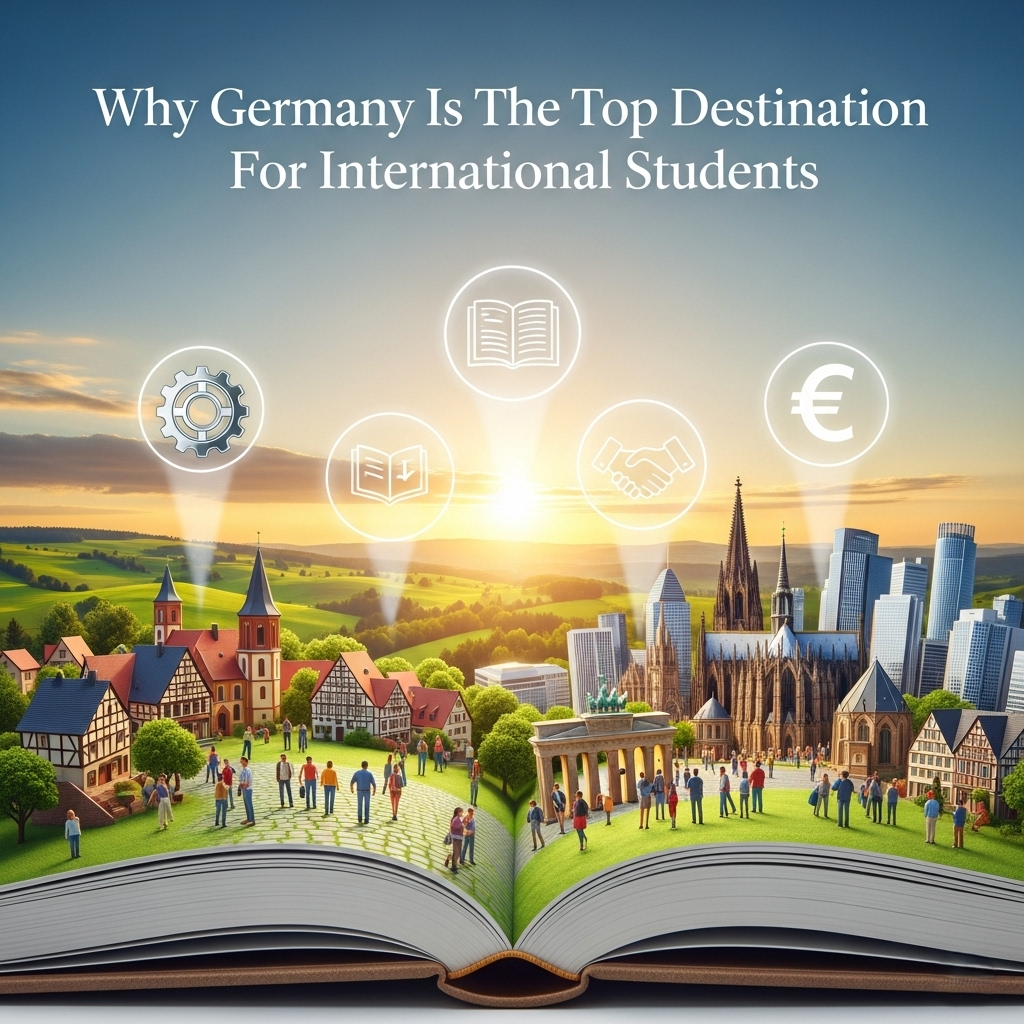
What Makes Germany a Smart Choice?
1. No Tuition Fees at Public Universities
You read that right. Most public universities in Germany charge no tuition fees, even for international students. You only pay a nominal semester contribution (~€150–€350), which often includes local transport and student services.
Why this matters: It levels the playing field. Students from modest backgrounds can now access top-tier education without drowning in debt.
“A debt-free education is not a dream; in Germany, it’s policy.” We had covered this topic in my previous blog, Thriving Abroad (link).
2. Research-Centric Master’s Programs (Especially in STEM)
From RWTH Aachen to TU Munich, German universities are at the cutting edge of tech, engineering, AI, robotics, and renewable energy.
Why this matters: Students get hands-on research opportunities, lab access, and often work on real-world industry projects during their thesis.
Pro Tip: Choose universities that align with your specialization, not just rankings. Look for “Forschungsschwerpunkte” (research focus areas) on university websites.
3. 18-Month Job-Seeker Visa After Graduation
Germany gives you a full 1.5 years to stay and find work after completing your degree.
Why this matters: No mad visa scramble. No forced returns. If you network well and polish your German, your job prospects expand dramatically.
Many German MS graduates go on to secure Blue Cards, leading to PR pathways in 33 months (or even 21 months with B1-level German).
4. Affordable Living + Part-Time Work
- Cost of living: ~€850–€1,100/month in most cities
- Part-time work: 120 full days or 240 half-days/year
- Cities like Leipzig, Aachen, and Jena offer excellent programs and are cheaper than Berlin or Munich.
Why this matters: Students can support themselves while studying without compromising academics.
What German Universities Love in a Student’s Profile
If you want to impress a TU9 (Germany’s Ivy League equivalent) or a top Applied Sciences university, your profile must be built thoughtfully.
1. Strong Academics
- CGPA: Aim for 7.5+/10 (or 65%+)
- Aim for 9.2+ CGPA if you seek admission to a Public University
- Key subjects: High scores in core domain subjects
- Transcripts should show consistency
2. Relevant Projects + Internships
- Focus on real-world application (IoT projects, ML models, design simulations)
- German professors love evidence of implementation
Add GitHub links, project reports, and research posters to your SOP and CV.
3. German Language Proficiency (A2–B1)
Even if your course is in English, knowing German opens more doors, internships, part-time jobs, and post-study employment. Tip: Complete a Goethe-certified A2 at the very least. B1 gives you an edge for visa + job hunt.
4. Clear, Research-Oriented SOP
- Talk about your academic interests and research goals
- Mention how German universities align with your future plans
- Keep it precise, analytical, and passion-driven
We had referred to the art of creating an effective SOP (link) “A good SOP is not an autobiography. It’s a blueprint of where you’re going and why you belong there.”
Planning Timeline: Fall 2026 Intakes
| Stage | Suggested Timeline |
|---|---|
| Begin German language classes | Aug–Sep 2025 |
| Research & shortlist unis | Sep–Oct 2025 |
| Write SOP + CV | Oct–Nov 2025 |
| Apply (most deadlines) | Nov–Jan 2026 |
| Uni interviews/decisions | Feb–Apr 2026 |
| Apply for visa | May–Jun 2026 |
| Fly to Germany | Aug–Sep 2026 |
Target universities:
- RWTH Aachen
- TU Munich
- Karlsruhe Institute of Technology (KIT)
- FH Aachen (Applied Sciences)
- University of Stuttgart
- Hochschule Bonn-Rhein-Sieg
Final Thoughts: A Country That Backs Your Dreams
Germany doesn’t sell you dreams. It invites you to build them.
With a public education system rooted in equality, an R&D ecosystem open to global talent, and a stable path to permanent residence, Germany gives you what every international student needs:
Academic credibility
Work opportunities
Immigration stability
“Carry India in your heart, but build your tomorrow globally.” – Thriving Abroad
If you’re a student reading this, or a parent hoping to support your child, Germany deserves to be on your radar. Let’s help you get there.
Related Blogs You Should Read Next:
- Thriving Abroad: A Guide for International Students
- How to Prepare for a Life-Changing Study Abroad Journey
- Best Career Paths for International Students in 2025–2035 (PLEASE PROVIDE LINKS)
Visual Suggestions: This is for you, Sameer!
- Map of Germany with university hotspots marked
- Image of smiling Indian students in a German classroom
- Infographic: “6 Reasons to Study in Germany”
Hashtags for LinkedIn:
#StudyinGermany #InternationalStudents #MSAbroad #GermanyEducation #StudyAbroadWithIMFS #DAADScholarship #EngineeringGermany #IndianStudentsAbroad #ZeroTuitionDream#StudyAbroad
Presented by IMFS, India’s most trusted study abroad guide since 1997.
Authored by K. P. Singh
Mentor | Educationist | Founder – IMFS www.imfs.co.in
🌍 Empowering the Global Indian Student


Great guide on studying in Germany! It covers costs, timelines, and application tips really well. For those aiming for postgraduate medical studies, Medical PG in Germany Consultants in Hyderabad can be a big help in handling licensing, clinical placements, and visa guidance.
ReplyDelete